

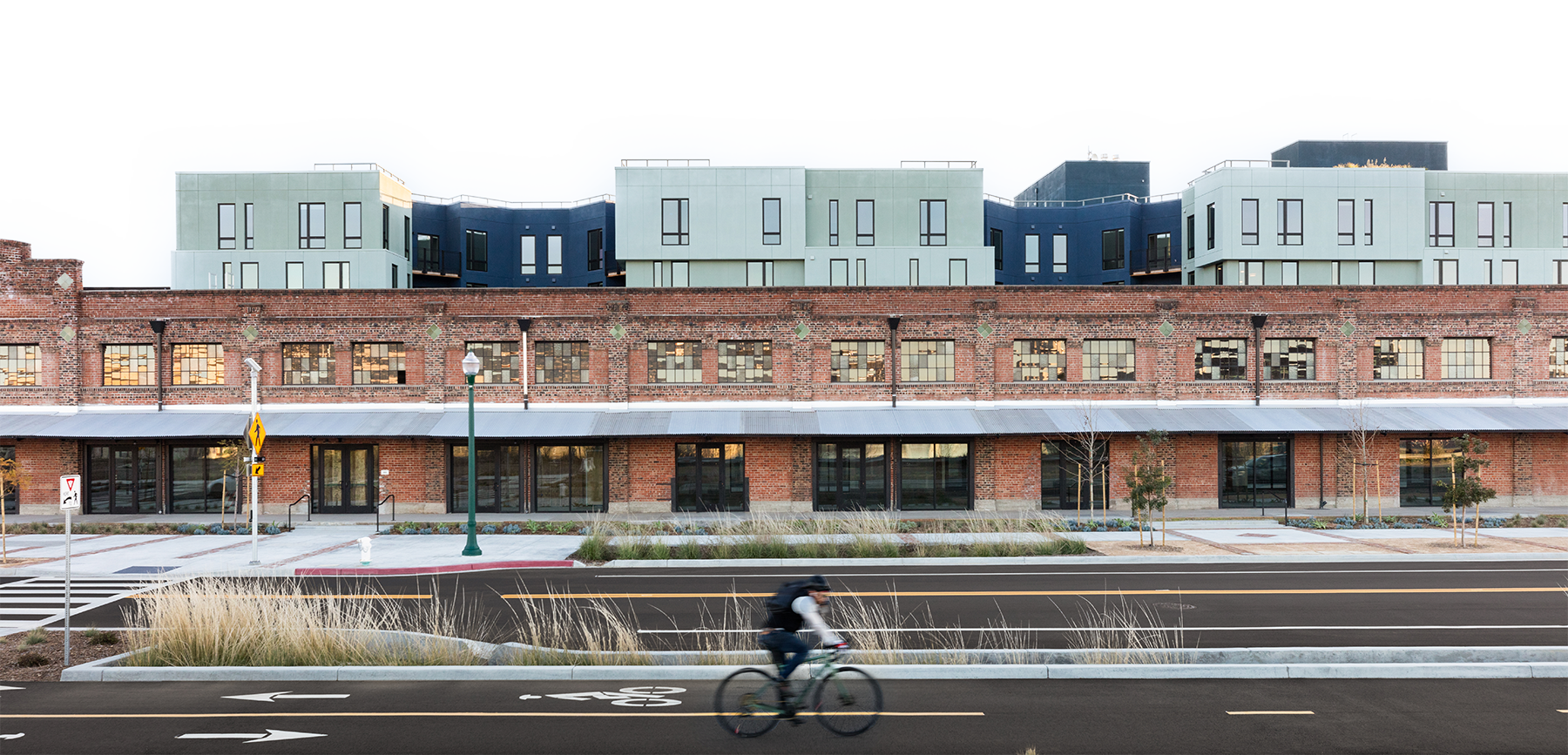
Alta Star Harbor, Alameda, CA. Grand Award, Best Renovated, Restored or Adaptive Re-Use Residential, PCBC, 2024
MAKING SUSTAINABILITY WORK:
BALANCING COST, PERFORMANCE, AND PROJECT REALITIES
As BAR kicks off a series of content for April Sustainability Month, we begin with one of the most common questions from our clients:
How can sustainable design balance upfront costs and other project constraints?
In California, where both upfront and operational costs are rising, regulations are tightening, market expectations are evolving, and entitlement pathways are increasingly tied to performance, the pressure on developers and homeowners to make the right early decisions has never been higher.
BAR’s approach to making sustainability work is grounded in a few key principles:
Early Integration: The Key to Unlocking the Right Solutions
For most projects, the challenge is clear:
Upfront cost is immediate.
Return is uncertain.
Timelines are fixed, and approvals may introduce delays.
When presented as an added layer, sustainability can feel like it brings more cost, more coordination, and greater potential for misalignment.
But in practice, high-performing sustainable design can unlock solutions that support increased housing delivery, optimized construction methods, and, in some cases, faster approvals and higher rentals - helping balance initial investments with long-term value.
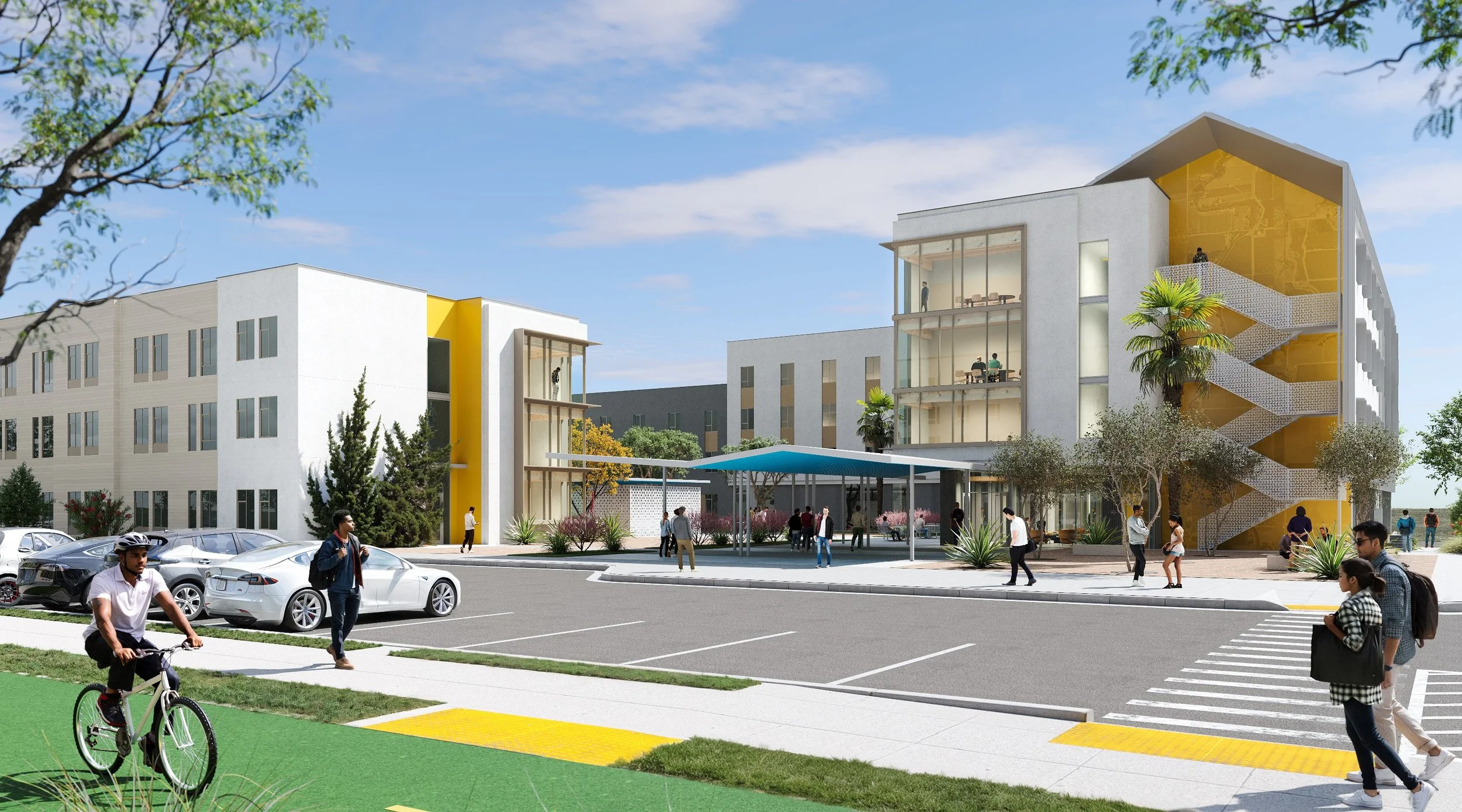
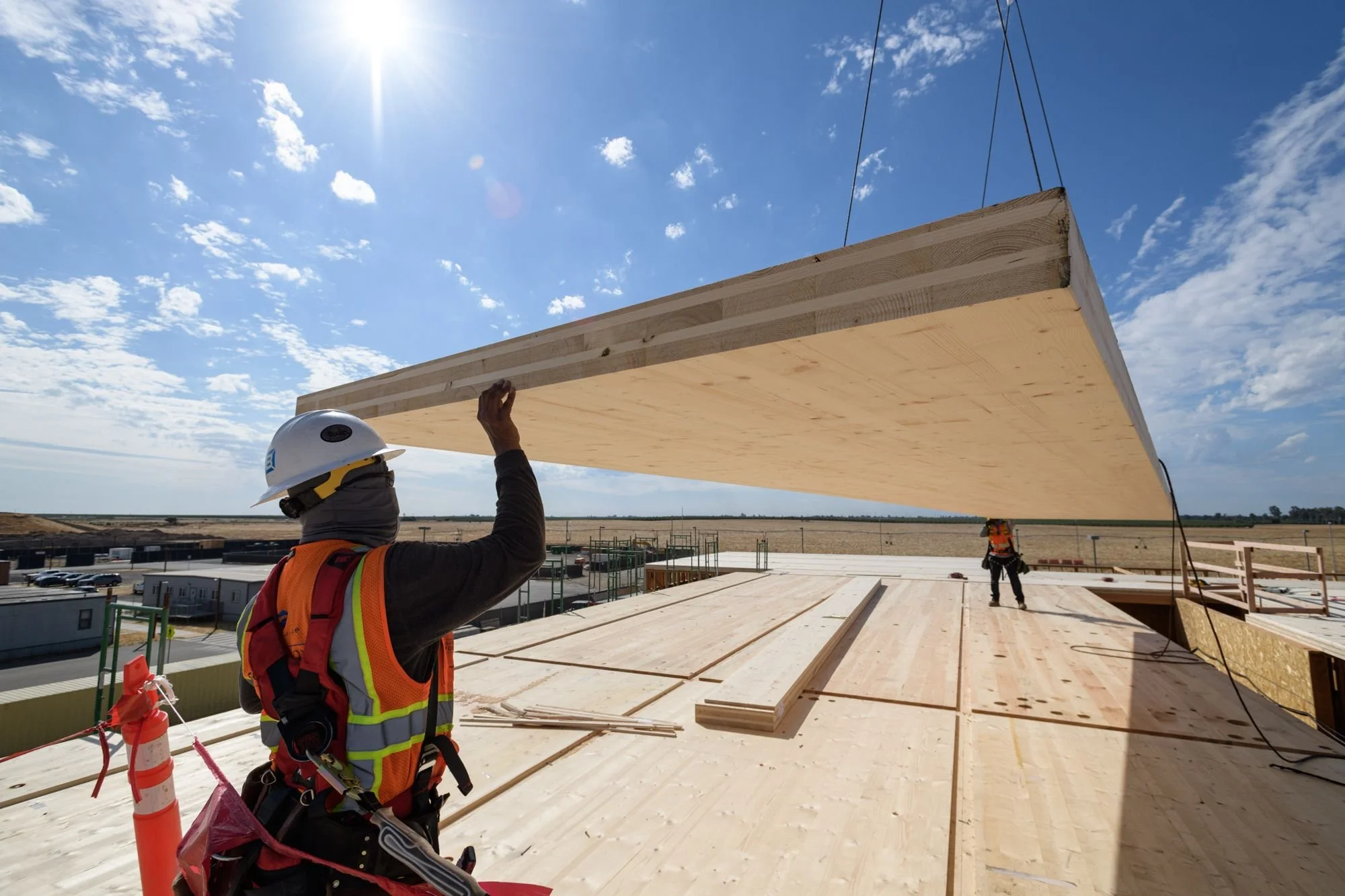
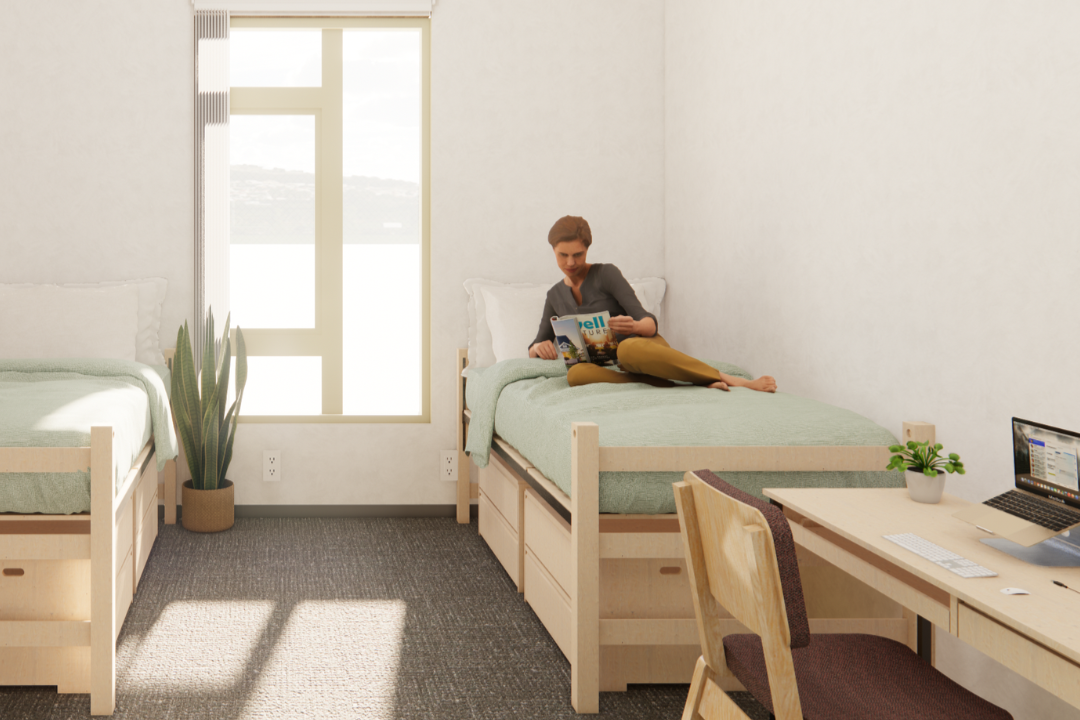
UC Merced Promise Student Housing - Leading the way with mass-timber
At UC Merced Promise Student Housing, an affordable student housing project by BAR Architects & Interiors and HGW Architecture, sustainability strategies were deliberately shaped by strict cost constraints rather than treated as add-ons. Working within a Design-Build/Stipulated sum framework, the team leveraged mass timber not as a premium upgrade, but as a cost-aligned solution.
By utilizing prefabricated CLT panels with load-bearing stick frame wall systems, the design reduced on-site labor, shortened the construction schedule, and minimized the need for extensive decking crews. These efficiencies allowed the project to redirect cost savings toward lower-carbon materials and higher-performing building systems, achieving both budget and sustainability goals simultaneously. Early coordination and a high level of prefabrication further reduced construction waste, site disturbance, and noise pollution, while accelerating delivery. At the same time, the exposed timber structure introduced biophilic benefits that support student health and well-being - all without increasing overall project costs.
“At UC Merced, the result is a project where sustainability is not a premium feature, but a benefit of disciplined, cost-conscious design decisions.”
- Pramod Sanoor, AIA, LEED AP BD+C, FitWel Amb, BAR Associate Principal
Project by Project: Targeted Strategies Outperform One-Size-Fits-All
A common misconception is that sustainability requires a comprehensive checklist—that more strategies automatically lead to better outcomes. BAR’s goal is not to do everything, but to identify what will deliver measurable, project-specific impact.
Each project has its own financial structure, market expectations, and ownership horizon. What performs well in one context may not translate directly to another.
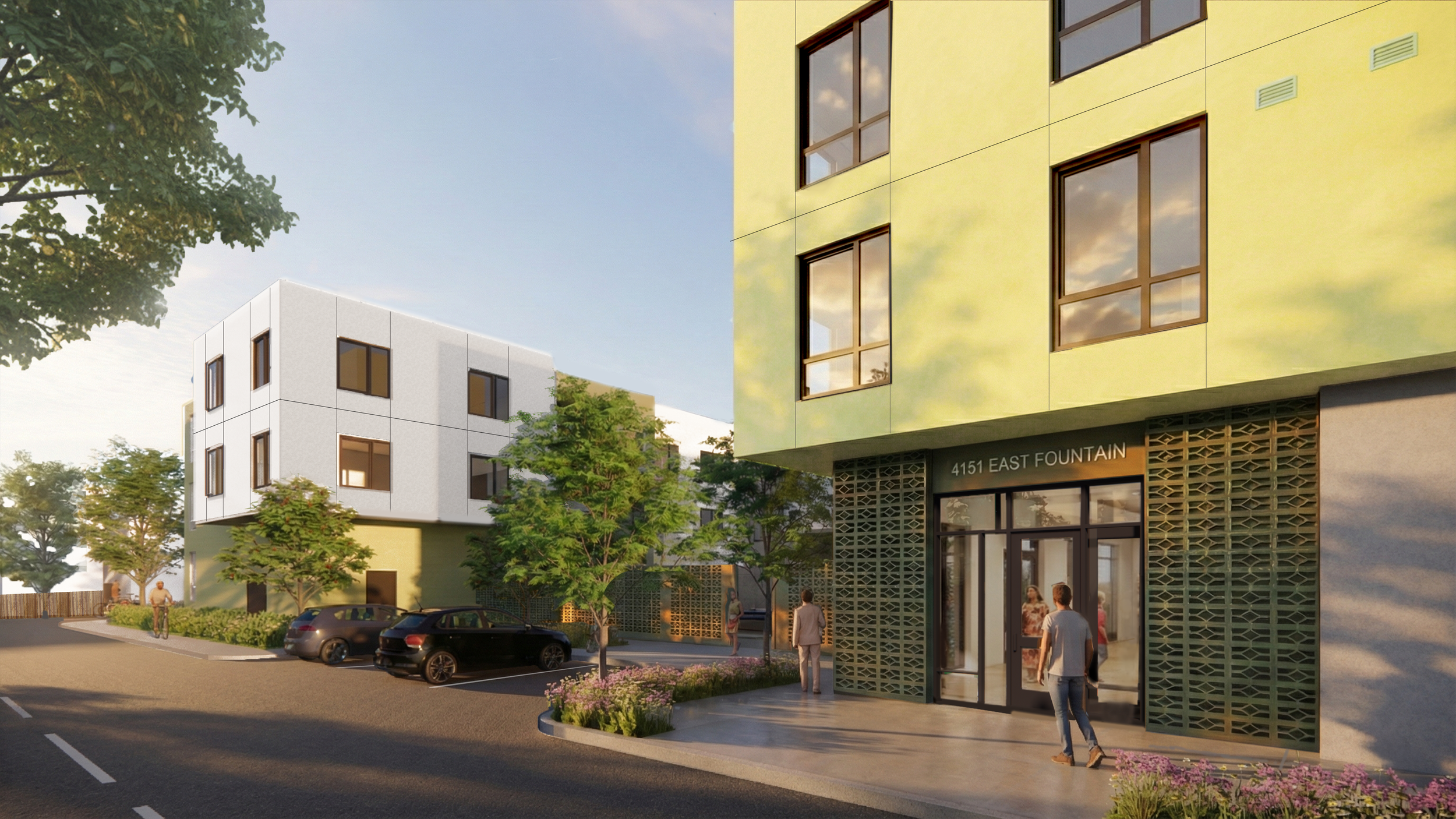
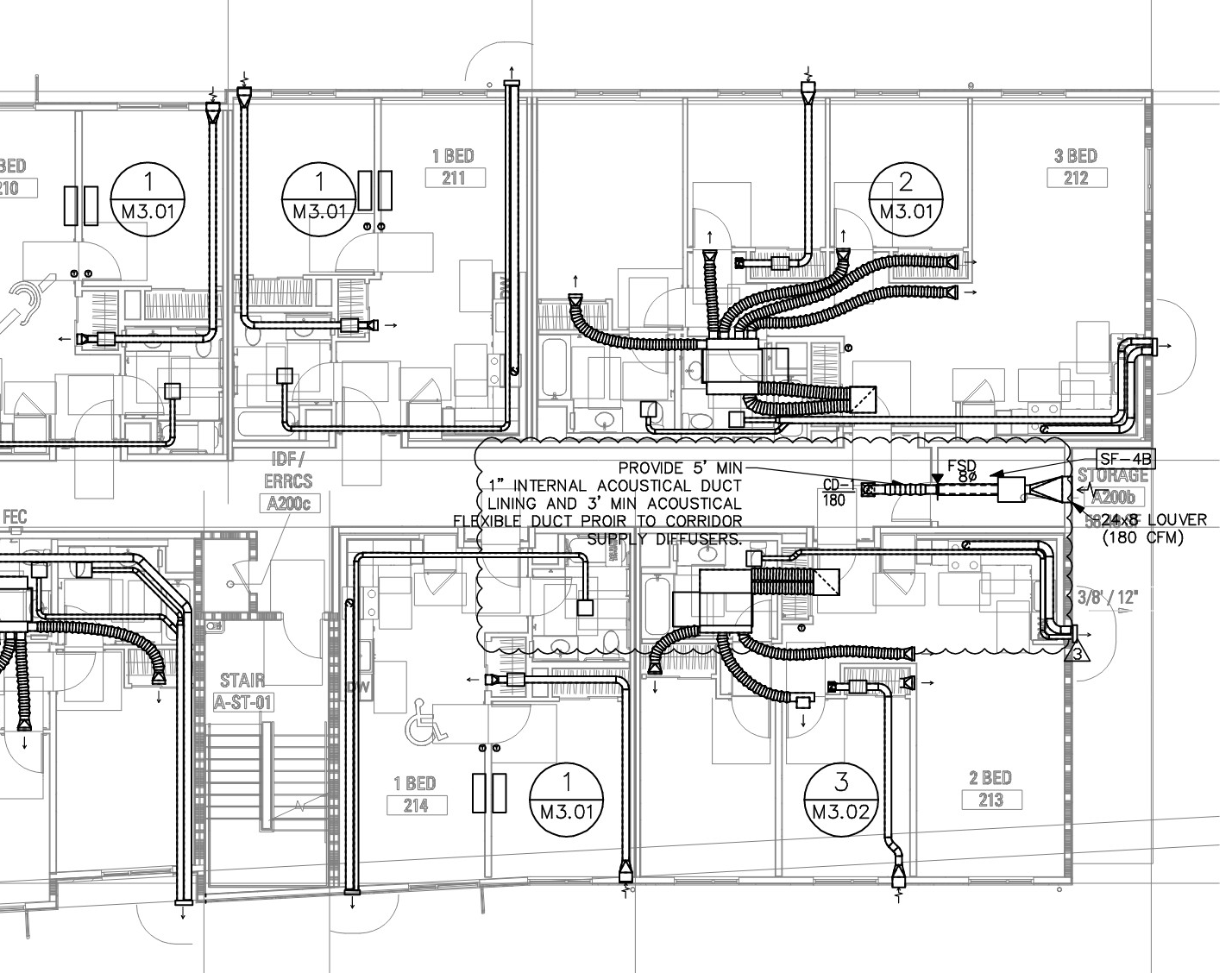
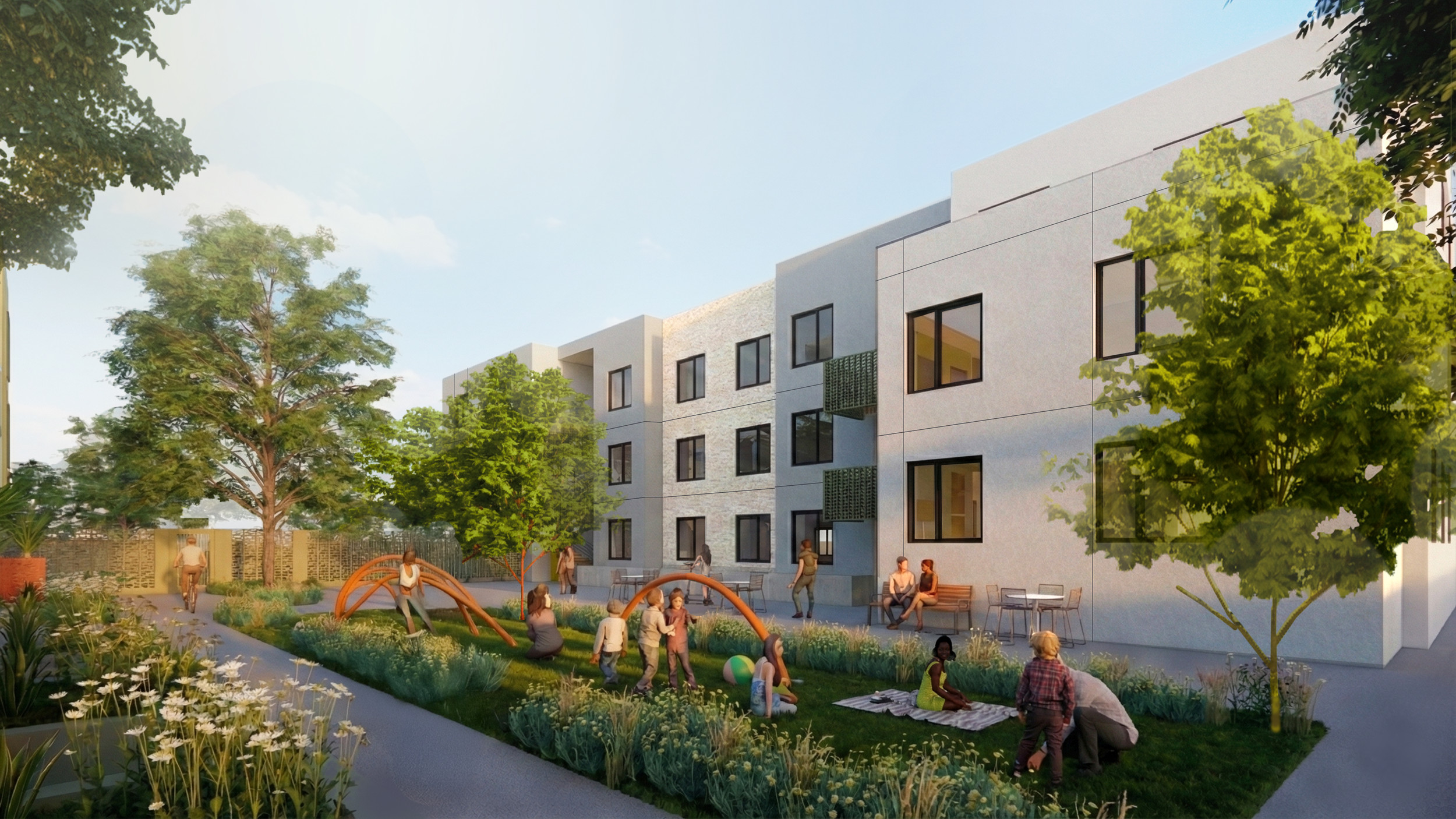
Fountain Affordable, Long Beach, CA - An example of smart resource reallocation
A strong example is Fountain Affordable, designed by BAR, where a mix of one, two, and three-bedroom units required a more flexible and varied mechanical strategy. Unit types were carefully evaluated to determine where cost efficiencies could be achieved without compromising performance. The most effective opportunity was identified in the one-bedroom units, where ductless mini-split systems—known for their energy efficiency and ability to reduce losses associated with ductwork—were implemented in place of traditional ducted systems used in the larger units.
This targeted adjustment created meaningful cost savings, allowing the project team to reallocate funds toward additional sustainability measures aligned with LEED-equivalent performance goals. Rather than applying a uniform solution, each project can leverage system selection as a strategic tool, demonstrating how sustainability is most effective when tailored to unit mix, scale, and overall project priorities.
For clients prioritizing alignment with upfront cost constraints, this often means focusing on strategies that improve construction efficiency and enhance market positioning. In sectors with longer investment horizons, particularly those involving layered public and private funding and community engagement, sustainable strategies can also support smoother approvals and stronger long-term performance.
In this context, sustainability becomes a targeted investment.
Certifications: From Frameworks to Real Market Value
Industry frameworks such as LEED, WELL, Living Building Challenge (LBC) Certification, and the AIA’s Framework for Design Excellence have played a critical role in defining what high-performance buildings can achieve—particularly in energy optimization, carbon reduction, and occupant wellbeing.
Certification can support market positioning, signal quality and durability, and in some cases unlock financing opportunities or operational efficiencies. But its true value ultimately lies in performance: how the building operates, the impact on residents, what it costs to run, and how it holds value over time.
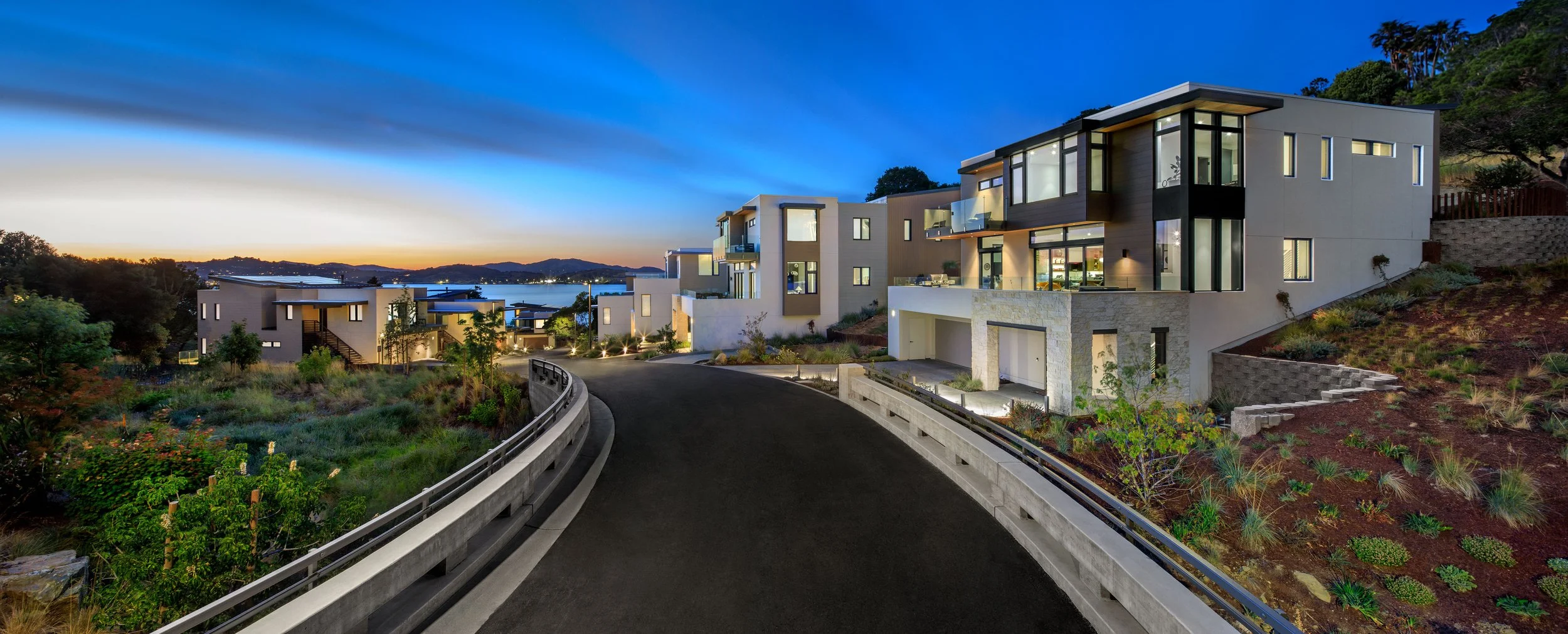
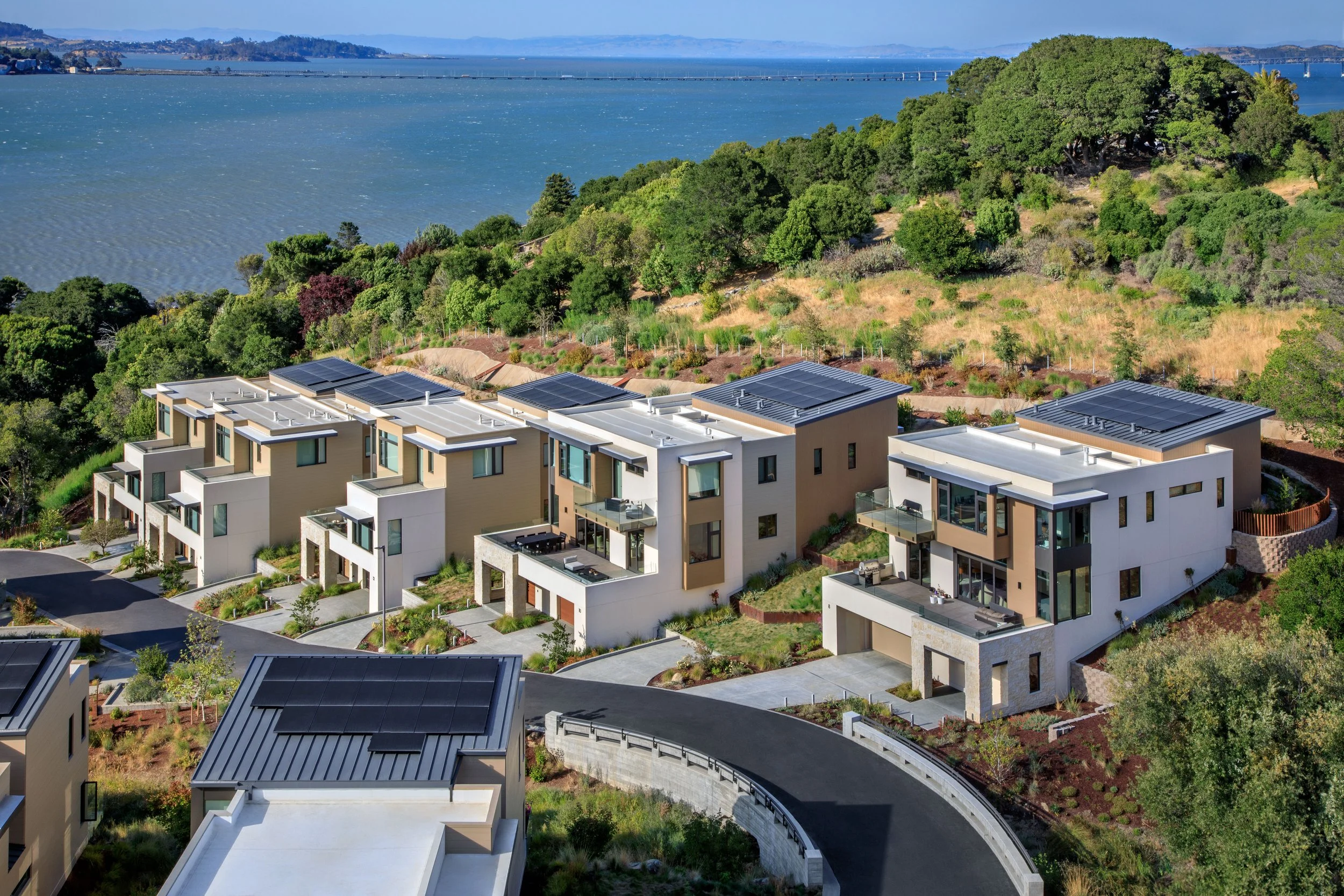
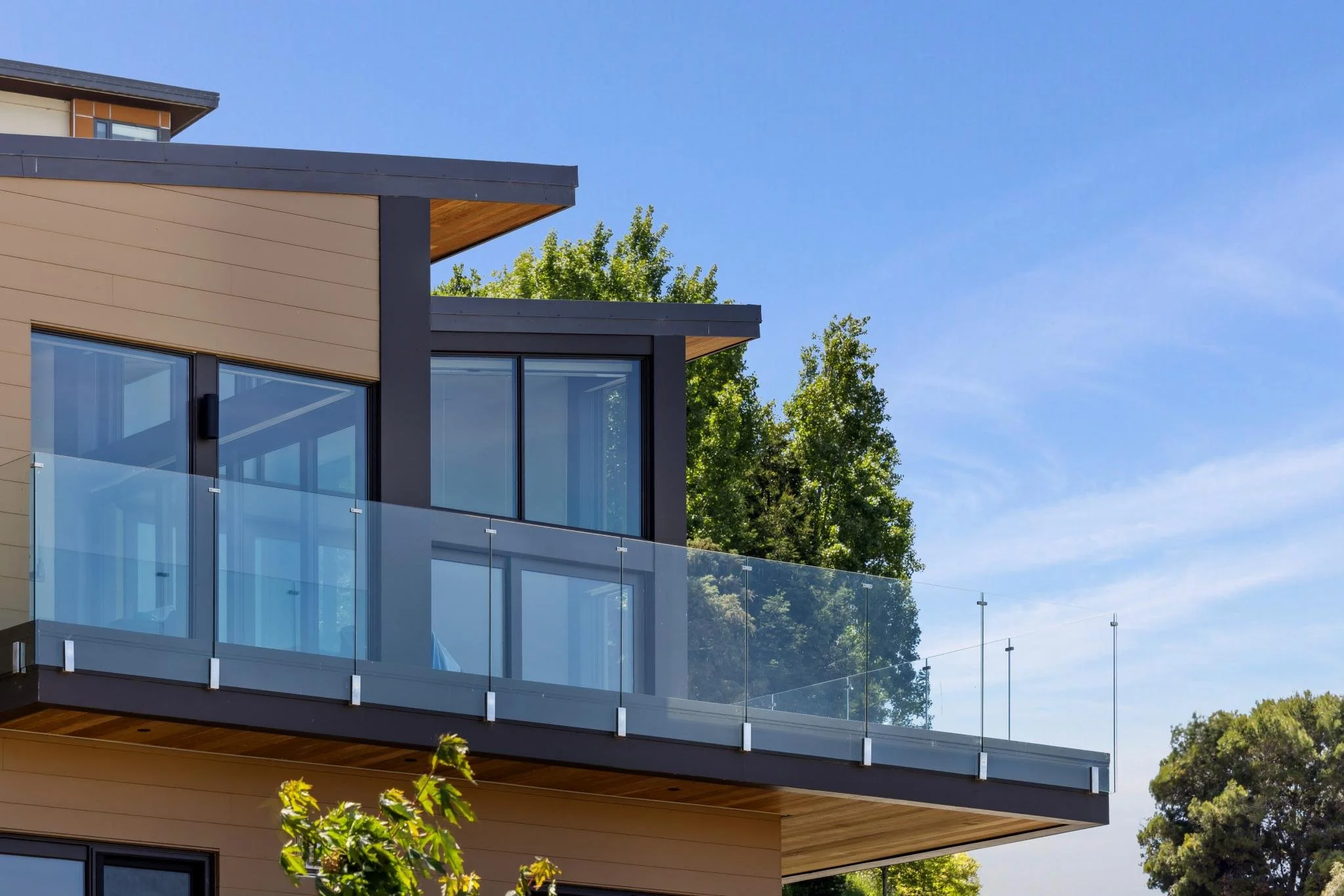
Oak Shore Residences, Corte Madera, CA - Certified LEED Gold
At Oak Shore Residences, the development team identified early on that future tenants would place a high value on environmental responsibility and healthier living. Positioning the project as a LEED-certified community became both a market differentiator and a perceived amenity, supporting stronger leasing potential and the opportunity for higher rental rates.
“Pursuing LEED at Oak Shore supported both our approvals process and the project’s market positioning. While certification is typically finalized after completion, communicating that it was underway allowed the team to capture its value during leasing.”
- Jeff Goodwin, AIA, LEED AP BD+C, BAR Principal
The Role We Play: From Education to Facilitation
BAR’s role is to advance sustainability within the realities of cost, schedule, and approvals.
This means structuring conversations around ROI and risk from the outset, identifying the strategies that will deliver meaningful impact, and integrating them early, where they are most effective. It also means translating technical considerations into clear, actionable decisions, allowing teams to move forward with confidence.
“We focus on translating sustainability into performance, so clients can evaluate it through the same lens as any other investment decision, while acknowledging the role our buildings play in shaping a more resilient future.”
- Mark Kelly, AIA, LEED AP BD+C, Associate Principal and Director of Sustainability at BAR
Durable systems and materials extend the life of the asset, reducing replacement cycles and protecting capital over time. At the same time, thoughtful design decisions—particularly around healthier materials, air quality, and environmental performance—shape environments that support human wellbeing and more resilient communities. While balancing upfront costs and financial constraints is essential, these choices also reflect a broader responsibility: to create buildings that not only perform, but contribute positively to the people and places they serve.
Stay tuned for our next BAR Talk and join the conversation by sharing your insights and experiences with sustainable design on LinkedIn.